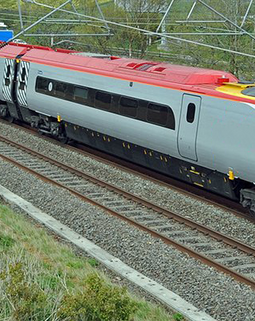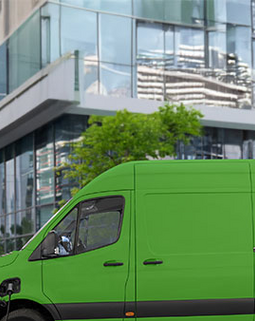


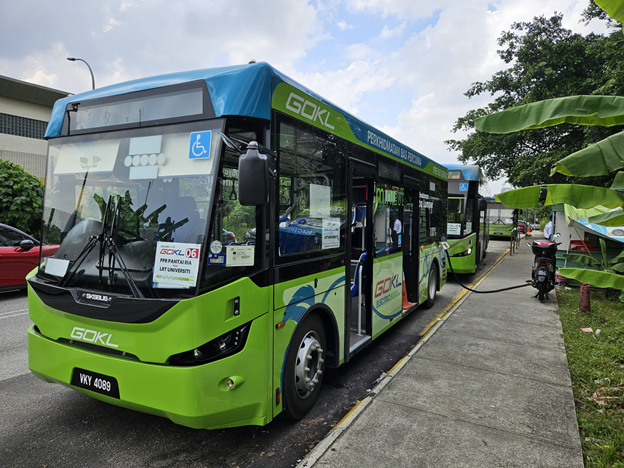
Bhutan has long been globally celebrated as a carbon-negative country, absorbing significantly more carbon dioxide than it emits thanks to its vast, constitutionally protected forest cover. However, as urbanization and visitor numbers grow, the reliance on imported fossil fuels for transportation has emerged as a noticeable environmental challenge. To protect its pristine natural environment and air quality, the government is aggressively pushing for eco-friendly transport across all sectors. At the forefront of this green revolution is the rapid expansion of Bhutan EV tourism, an initiative that aims to replace conventional gasoline and diesel transit with modern electric tourist vehicles.
Because the nation generates an immense abundance of clean, cheap hydroelectric power, transitioning the tourism transport sector makes perfect economic and environmental sense. Local tour operators are steadily adopting battery-powered cars, premium SUVs, and electric passenger buses to ferry international guests across the rugged, high-altitude terrain without leaving a harmful carbon footprint.
Upgrading the Charging Infrastructure
A major historical hurdle for the widespread adoption of Bhutan EV tourism was range anxiety, heavily compounded by steep Himalayan gradients and historically sparse charging points. To directly address this, the government has recently mandated the Bhutan Power Corporation to massively scale up and manage the nation's public charging network. The ambitious strategic goal is to install at least one fast-charging station for every 15 electric vehicles by the year 2030.
With free or heavily subsidized public charging infrastructure becoming increasingly available across all 20 dzongkhags (districts), travel agencies can now confidently plan sustainable travel itineraries for cross-country trips. This vital upgraded infrastructure ensures that Bhutan EV tourism is not just an experimental concept, but a highly reliable and practical reality for daily tour operations.
High-End and Mass Transit Solutions
The rapid evolution of Bhutan EV tourism is also attracting premium international automotive solutions tailored specifically for the demanding mountains. Recently, specialized high-tech electric SUVs—such as custom-engineered right-hand drive models—have been introduced to the local market. These vehicles offer immense instant electric torque, four-wheel steering, and regenerative braking, making them perfectly suited for tight hairpin turns and steep downhill descents.
Furthermore, ambitious urban projects like the upcoming Gelephu Mindfulness City are mandating that all transit within their modern borders be entirely electric. By replacing traditional, noisy tourist buses with silent, zero-emission fleets, visitors can genuinely enjoy the natural serenity of the Kingdom without the disruptive noise and exhaust pollution of combustion engines.
Economic Benefits and Global Inspiration
Beyond actively protecting the environment, the sustained push for Bhutan EV tourism significantly reduces the country's heavy financial reliance on imported oil. By keeping energy production and consumption domestic, the nation strengthens its economic resilience while simultaneously offering a premium, clean travel experience. For those interested in tracking the latest developments in electric mobility, regional logistics, and international automotive trends, you can easily find comprehensive daily updates at AsiaCarNews.
As the country continues to heavily invest in its green infrastructure, the impressive and ongoing success of Bhutan EV tourism serves as a powerful, replicable blueprint for other mountainous and eco-conscious destinations around the world.
Would you prefer to explore the high-altitude Himalayas in a silent, all-electric vehicle? Do you think other nations with high tourist footfall should aggressively mandate electric fleets? Share your thoughts, travel experiences, and eco-friendly ideas in the comments below!