



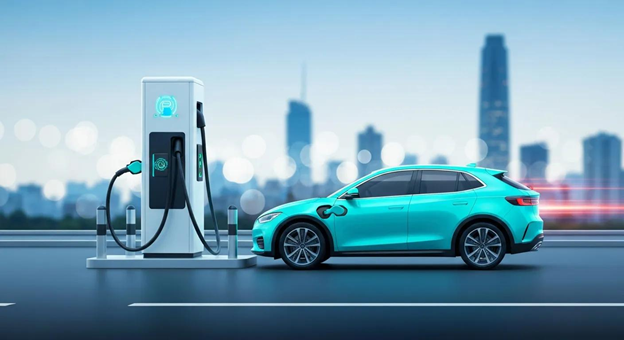
Bhutan has long been celebrated as a globally recognized carbon-negative country, proudly absorbing significantly more greenhouse gases than it produces. However, the nation's heavy reliance on imported fossil fuels for everyday transportation has posed an ongoing economic and environmental challenge. To combat this and protect its pristine Himalayan environment, the Royal Government has officially rolled out an aggressive new nationwide Bhutan EV subsidy, aimed directly at accelerating the mass adoption of electric vehicles. Launched to drastically reduce regional carbon emissions and permanently cut down fuel import costs, this historic financial initiative offers up to a massive 50% discount on electric vehicle purchases for both private individual buyers and commercial taxi operators across the country.
Understanding the Bhutan EV subsidy Framework
The newly implemented Bhutan EV subsidy is arguably one of the most generous eco-incentives currently available in South Asia. By strategically partnering with major regional automotive manufacturers, including industry giants like Tata Motors and Mahindra, the government has ensured a steady, highly affordable supply of modern electric vehicles. These approved vehicles are rigorously tested to guarantee they are perfectly suited for the steep inclines and challenging terrain of the Himalayas, ensuring drivers do not compromise on necessary power or passenger safety.
Charging Infrastructure and Accessibility
Of course, purchasing a battery-powered vehicle is only half the journey. To ensure the long-term success of the Bhutan EV subsidy, regional authorities are simultaneously investing heavily in a robust, nationwide charging infrastructure network. High-speed charging stations are actively being installed across all major urban centers and vital transit hubs, specifically targeting high-traffic areas like Thimphu, Phuentsholing, and Paro. This rapid infrastructure expansion essentially eliminates range anxiety for new owners, making long-distance and even cross-border travel into North Bengal and Northeast India much more viable for everyday drivers and commercial transport fleets.
How to Apply for the Bhutan EV subsidy
Navigating the financial application process for the Bhutan EV subsidy has been highly streamlined by the government to encourage maximum public participation. Interested buyers must first select an approved, certified electric vehicle model from officially recognized local automotive dealerships. Once an eligible vehicle is chosen, applicants can formally submit their required documentation—including a valid Bhutanese citizenship identity card, certified proof of income, and standard vehicle registration forms—directly through the designated government mobility portal. Alternatively, buyers can process their applications via participating local banks that are proudly facilitating the financial transition with low-interest eco-loans.
Moving Toward a Greener Future
For local taxi operators, making the transition to electric mobility is particularly lucrative. By entirely ditching expensive, imported petrol and diesel in favor of the country's incredibly cheap, abundant domestic hydroelectric power, commercial drivers can drastically reduce their daily operational overhead and increase their take-home profits. For citizens actively looking to stay updated on the latest electric car models, shifting green policies, and regional automotive news, you can effortlessly find detailed daily insights at AsiaCarNews.
The aggressive and highly structured implementation of the Bhutan EV subsidy clearly signals the nation's unwavering commitment to sustainable, eco-friendly development. By making zero-emission vehicles highly affordable and practical for the masses, the kingdom is successfully setting a powerful, replicable environmental standard for the rest of the world to eagerly follow.
Are you planning to take advantage of this massive discount to upgrade your daily commute? Do you think the current charging infrastructure in your district is ready for a surge in electric cars?
Drop your thoughts, questions, and daily driving experiences in the comments below—we would absolutely love to hear from you!


