

A long-distance road trip from Gurgaon to Bhutan and back in a Mahindra XEV 9E has challenged common doubts about electric vehicles. The XEV 9E Bhutan Road Trip covered approximately 3,900 kilometers across multiple Indian states and Himalayan terrain, demonstrating that modern EVs are capable of handling both highway cruising and mountain routes without reliability issues. The journey was completed as part of a convoy of 10 electric vehicles, with full logistical support and coordinated charging stops. Despite varying terrain, weather conditions, and long travel days, all vehicles completed the trip successfully with zero mechanical problems.
A Massive 3,900 KM Electric Convoy Experience
The XEV 9E Bhutan Road Trip began in Gurgaon and passed through major stops including Agra, Gorakhpur, Siliguri, and Phuntsholing, before entering Bhutan. The convoy later continued through Thimphu and Paro before returning to India via Bihar and Uttar Pradesh. This journey was not just about distance but also about testing real-world EV performance in mixed driving conditions, including highways, hilly regions, and border crossings.
Organized Multi-Vehicle EV Expedition
The trip included 10 electric SUVs traveling together in a structured convoy supported by charging coordination and planned stopovers. According to participants, the support from EV infrastructure partners helped ensure smooth execution throughout the journey. The XEV 9E Bhutan Road Trip highlighted how organized EV travel is becoming more practical with the expansion of fast-charging networks across India and neighboring regions.
Family-Friendly Long-Distance Travel
The journey was completed with families on board, including young children, showing that EVs are not limited to short city commutes. Comfort, cabin space, and ride quality played a key role in making the long trip manageable for passengers.
Charging Network Performance Across Countries
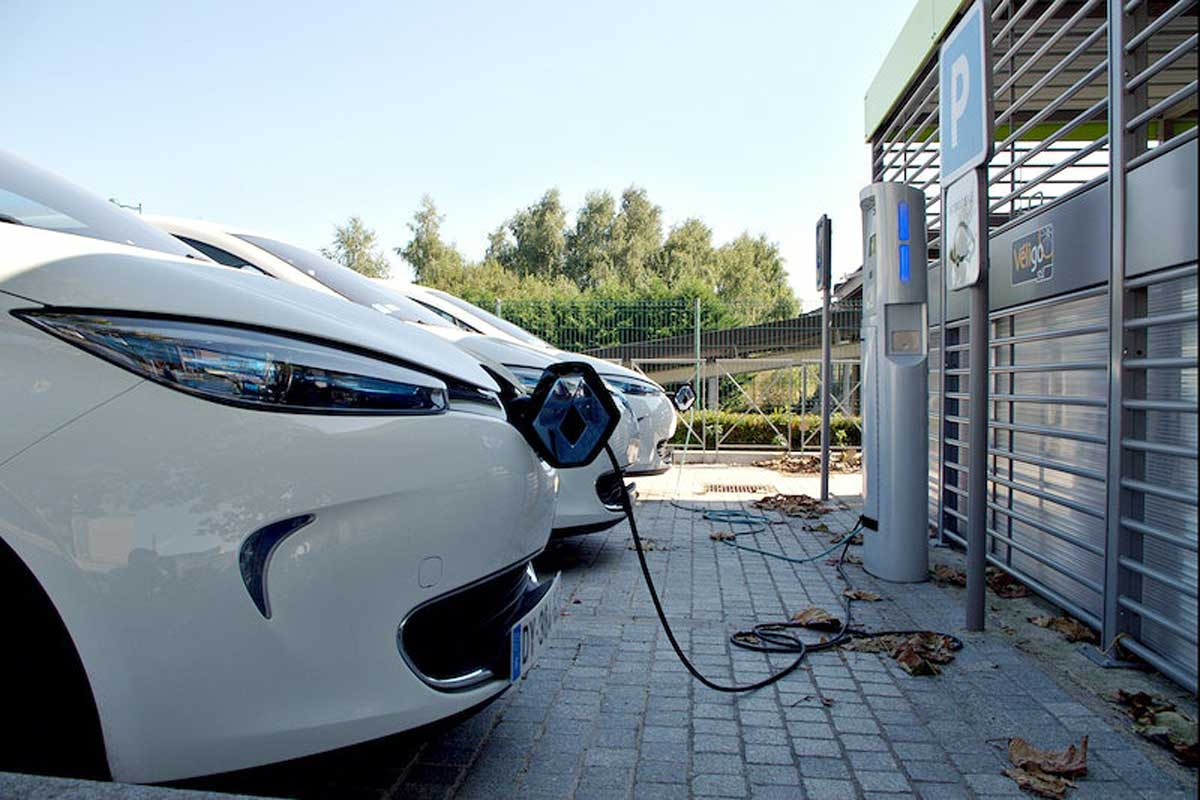
One of the most important aspects of the XEV 9E Bhutan Road Trip was its charging experience. Over the course of the journey, the convoy completed 17 DC fast-charging sessions, using multiple networks across India and Bhutan. Charging stops included highways, hotels, and dedicated EV stations, with charging sessions carefully planned to match travel distances.
Bhutan’s Strong EV Support System
Bhutan stood out for its supportive EV infrastructure, offering free public charging stations in several locations. This significantly reduced operational stress for the convoy while traveling through the Himalayan region.
Efficient Fast Charging Strategy
Most charging sessions were DC fast charging, allowing vehicles to quickly regain range and continue the journey. Even on longer travel days exceeding 1,000 km, charging coordination ensured minimal downtime. Industry observers tracking long-distance EV usage through AsiaCarGroup note that such real-world convoys are proving the reliability of modern EV battery systems under heavy usage conditions.
Performance Across Diverse Terrain
The XEV 9E Bhutan Road Trip included highways, steep climbs, foggy mountain routes, and off-road sections. Despite these conditions, the convoy vehicles reportedly performed without any mechanical or software-related issues.
Himalayan Driving Conditions
One of the most challenging segments was the drive between Phuntsholing and Thimphu, where steep gradients and sharp turns tested vehicle stability. The EVs handled these conditions smoothly, benefiting from instant torque and controlled power delivery.
Long Highway Runs
The return journey included extremely long stretches, including a 1,100 km drive from Patna to Gurgaon. Even under continuous high usage, the vehicles maintained consistent performance.
EV Reliability Under Real-World Pressure
A key takeaway from the XEV 9E Bhutan Road Trip is the durability of modern electric powertrains under extended use. Continuous fast charging, long highway drives, and full passenger loads did not result in any reported breakdowns. Participants noted that the XEV 9E handled repeated DC charging sessions and demanding travel schedules without performance degradation, reinforcing confidence in EV technology for long-distance travel.
Conclusion
The XEV 9E Bhutan Road Trip demonstrates a major shift in how electric vehicles are perceived in real-world conditions. A 3,900 km journey across India and Bhutan, completed without mechanical issues and supported by a growing charging network, shows that long-distance EV travel is no longer experimental. It is practical and increasingly reliable. As EV infrastructure continues to expand across South Asia, such journeys are likely to become more common, reshaping expectations around electric mobility.
Join the Conversation
Do you think electric SUVs like the XEV 9E are ready to replace ICE cars for long-distance travel? Share your thoughts and experiences in the comments. Would you take your EV on a 3,000+ km road trip?