


The long-discussed BBIN Motor Vehicle Agreement (MVA) — designed to enhance cross-border connectivity in South Asia — is moving forward as Bangladesh, India, and Nepal have decided to proceed without Bhutan, which has opted out of the deal.
This decision was made during a tripartite meeting in New Delhi on 27 November, attended by top officials from the participating countries. According to Md Nazrul Islam, Secretary of Bangladesh’s Road Transport and Highways Division, the three nations will continue talks to finalize the Standard Operating Procedures (SoP) and determine an official enforcement date.
The agreement, originally signed in June 2015 in Thimphu, aimed to facilitate the smooth movement of passenger and cargo vehicles across the four countries. While Bangladesh, India, and Nepal ratified the deal, Bhutan’s parliament withdrew, citing environmental and sovereignty concerns.
Addressing Key Issues in the Cargo and Passenger Protocols
Despite Bhutan’s exit, the remaining members are committed to implementing the agreement. They are currently negotiating key aspects of the cargo and passenger protocols to ensure smooth and balanced operations.
Among the issues under discussion:
-
Cargo Weight and Infrastructure Capacity:
India proposed the movement of heavy freight trailers, but Bangladesh raised concerns over infrastructure limitations. As a compromise, India suggested starting with limited freight services, allowing Dhaka time for internal consultations. -
Bank Guarantee Provision:
Bangladesh insisted on including bank guarantees for cargo freight to secure cross-border transactions. India initially favored customs bonds but later agreed to include bank guarantees in the protocol. -
Passenger Routes Expansion:
Bangladesh proposed new passenger routes — including Dhaka–Siliguri–Gangtok and Bangladesh–Assam — which India accepted. Additional route proposals from Bangladesh were also approved, signaling cooperation on regional tourism and mobility.
Nepal’s Proposals and the Way Forward
Nepal emphasized the importance of sovereign control over its transport policies, proposing that each country retain the authority to levy charges, approve movements, and set cargo quotas independently. Kathmandu also requested waivers on certain charges for Nepalese cargo and opposed a fixed transport quota across all countries.
The BBIN agreement is aligned with the General Agreement on Tariffs and Trade (GATT) framework, promoting transparent and rule-based trade transit. Implementation will begin once the Standard Operating Procedure (SoP) is finalized — a process similar to the Bangladesh–India transit deal for the use of Mongla and Chattogram ports.
Strengthening Regional Connectivity and Economic Integration
Officials from Bangladesh’s Commerce and Road Transport Ministries confirmed that the new framework is intended to make cross-border trade and travel more efficient, boosting economic cooperation among South Asian neighbors.
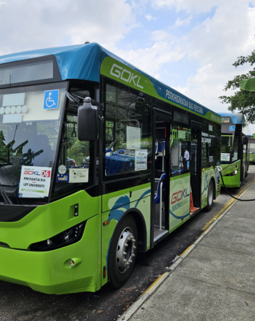
A trial run of the Bangladesh–India–Nepal bus service was already conducted in 2018, with two buses carrying around 45 delegates from the three nations and the Asian Development Bank (ADB).
While Bhutan remains outside the pact for now, India has stated that the door remains open for its participation in the future.
With the BBIN MVA moving ahead, South Asia is taking a decisive step toward deeper regional integration — promising economic growth, enhanced mobility, and greater connectivity across borders.